
Texas Hold’em and Poker Ab77 combine strategy, psychology, and probability. Learn essential rules, opponent analysis, bankroll management, and online trends.
Texas Hold’em and Poker AB77 | The Art of Strategic Thinking
Texas Hold’em and Poker have maintained their popularity among card game enthusiasts for decades. These games involve more than luck, requiring strategic thinking, probability analysis, and the ability to interpret opponents’ behavior. At ab-77sports.com, players can explore a competitive card gaming environment where decision-making and emotional control play important roles. Understanding the rules and developing effective strategies can help players make informed choices at every stage of a hand.
The main differences between texas hold’em and poker
Poker is a broad category of card games that includes several variants, while Texas Hold’em is a specific version with established rules. Although different variants use different dealing procedures and betting structures, they share important principles, including hand rankings, strategic betting, and bluffing.
Bluffing involves representing a stronger hand than a player actually holds. When used appropriately, this tactic can encourage opponents to fold better hands. However, frequent or poorly timed bluffs can lead to unnecessary losses.
The difference between beginners and experienced players often lies in how they respond to unfavorable cards. Rather than relying entirely on luck, skilled players assess probabilities, position, betting patterns, and potential risks before making decisions.
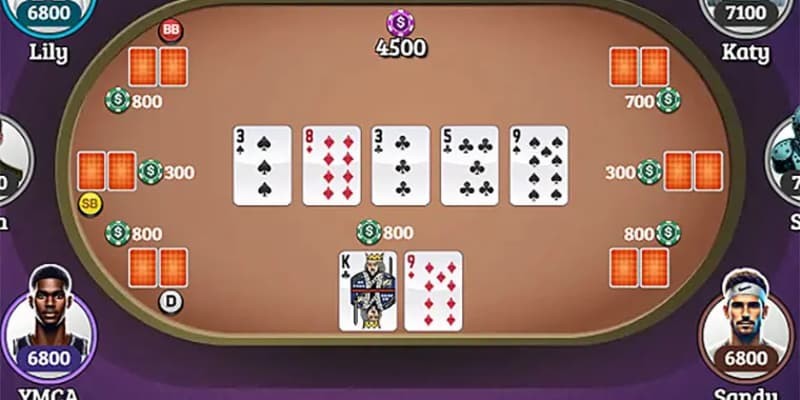
The main differences between texas hold’em and poker
Essential strategies for Texas Hold’em and Poker
A flexible strategy helps players evaluate changing situations and identify opportunities. Successful decisions depend on understanding opponents, managing emotions, and calculating whether a particular action offers sufficient value.
Managing Psychology and Emotions at the Poker Table
Emotional stability is an important factor in extended Texas Hold’em and Poker sessions. One common challenge is tilt, a state in which frustration or disappointment affects rational decision-making.
A bad beat occurs when a player with a strong statistical advantage loses to an opponent who improves their hand through an unlikely card. Such outcomes can cause frustration and encourage players to make impulsive bets in an attempt to recover losses.
To manage these situations, players should establish clear personal rules before starting a session. Accepting that variance is part of Poker can help reduce emotional reactions to individual results. Practical methods include:
- Setting a fixed time limit for each session.
- Taking a short break after a frustrating hand to regain focus and emotional balance.
- Avoiding bigger bets to chase losses and maintaining a disciplined betting strategy.
- Reviewing decisions objectively instead of judging them only by the final result.
- Stopping when concentration begins to decline.
Psychology also involves understanding how opponents react under pressure. A consistent poker face, controlled betting behavior, and limited emotional responses can make it more difficult for others to interpret a player’s intentions.
However, physical expressions alone are not reliable indicators of hand strength. Players should consider betting patterns and previous actions rather than depending on isolated gestures.

Essential strategies for Texas Hold’em and Poker
Reading opponents and analyzing poker decisions
Every action in Texas Hold’em can provide useful information. Checking, calling, raising, and folding may reveal aspects of an opponent’s strategy when considered alongside the betting history.
Players should observe whether opponents raise frequently with strong hands, fold when facing aggressive bets, or continue calling with marginal holdings. Recording these tendencies mentally can help build a profile of each player’s style.
Mathematical analysis is equally important, two concepts deserve particular attention: pot odds and outs.
Pot odds compare the amount a player must call with the total pot available after that call. Outs are the unseen cards that can improve a player’s hand to a potentially winning combination.
For example, if a player must call a relatively large bet to compete for a small pot, continuing may offer poor mathematical value. Conversely, a smaller call with sufficient winning potential may be more reasonable.
Players should compare their estimated equity with the price of continuing. When the required investment exceeds the expected value of the hand, folding may be the more disciplined decision.
Position also influences strategy, players acting later in a betting round have more information about earlier actions. This advantage can support better decisions about calling, raising, or folding.
Bankroll Management and Risk Management
Even a well-planned Texas Hold’em and Poker strategy can become ineffective without proper bankroll management. Players should determine how much money they can afford to lose before beginning a session and avoid risking essential living expenses.
Dividing a bankroll into smaller session budgets can help limit exposure to short-term losing streaks. It also reduces the temptation to increase stakes impulsively after an unfavorable result.
Setting limits and protecting your budget
Effective bankroll management requires clear rules for both spending and stopping. Players should establish maximum loss limits and avoid treating gambling as a reliable source of income. Useful practices include:
- Choosing stakes that match the available entertainment budget.
- Setting daily or weekly spending limits.
- Avoiding borrowed money and high-interest debt.
- Tracking deposits, withdrawals, and session outcomes to maintain better financial control.
- Stopping when a predetermined limit is reached.
Knowing when to stop is as important as recognizing a favorable betting opportunity. A winning session does not guarantee future profits, and increasing stakes after a win can expose previous gains to additional risk.
Players should also understand that bankroll management cannot eliminate the house edge where applicable, guarantee profits, or prevent every loss. Its primary purpose is to control spending and support responsible participation.
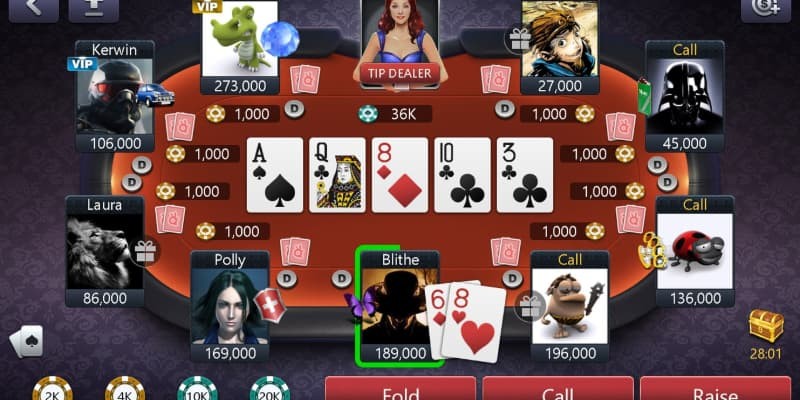
Setting limits and protecting your budget
The growth of online texas hold’em and poker Ab77
Online Poker tournaments attract participants who want to compete through structured formats. Depending on the tournament, players may begin with equal chip stacks and continue until they are eliminated or reach the final stages.
Tournament strategy differs from cash-game strategy because chip values, blind increases, and remaining player counts affect decision-making. Players must adapt their approach as the tournament progresses rather than use the same tactics throughout.
Digital platforms may offer game histories, statistics, and other tools for reviewing previous decisions. These resources can support learning when used to evaluate mistakes and identify recurring patterns.
Nevertheless, claims about fairness should be assessed carefully. Players should review independent testing information where available and avoid assuming that every platform provides identical levels of security or transparency.
Conclusion
Texas Hold’em and Poker Ab77 combine strategy, probability, and emotional control. Mastering hand rankings, betting rounds, and bankroll management helps players make better decisions. Learning cách chơi poker Texas Holdem starts with understanding the rules, evaluating starting hands, and managing risks responsibly